Est. read time – 7-8 minutes
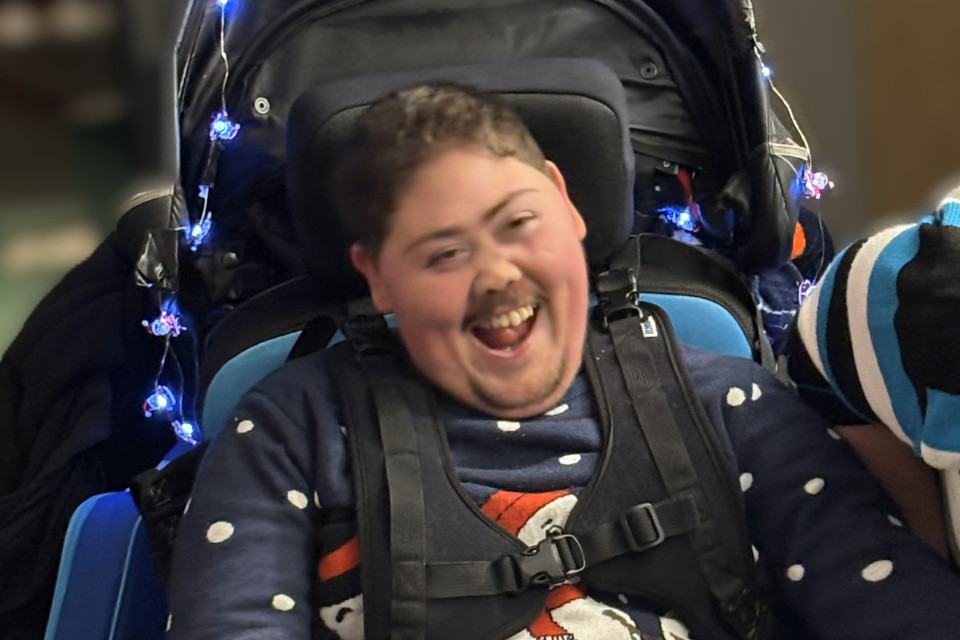
A mum whose 11-year-old son died from a rare genetic disorder says art therapy has given her the tools to help get where she is today.
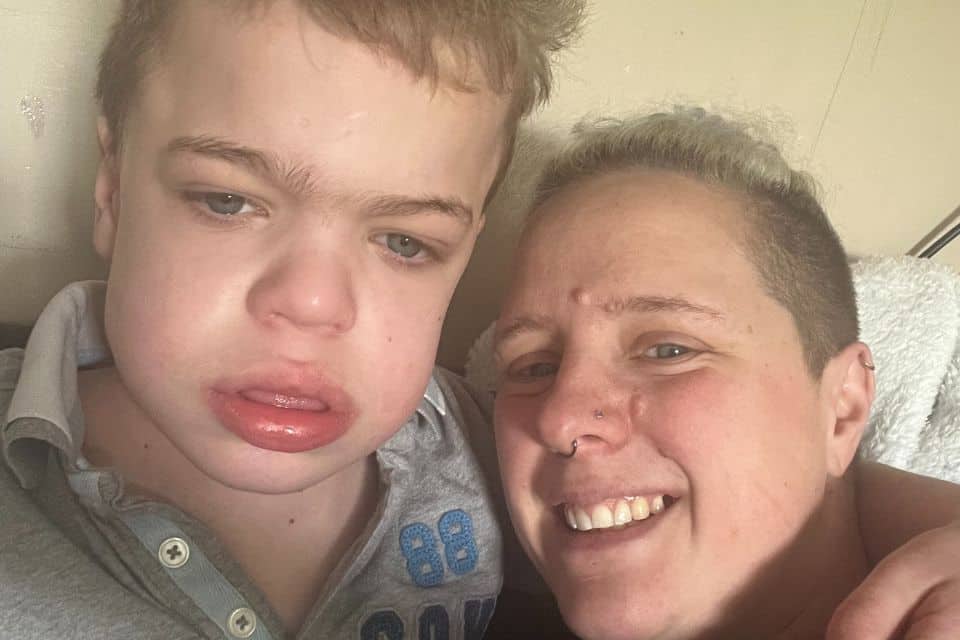
Kayla Yates began having sessions at The Nook – East Anglia’s Children’s Hospices’ (EACH) base near Norwich – shortly after “happy, smiling and loving” Thomas Lichterfeld died in December 2022.
He had Hunter Syndrome, or mucopolysaccharidosis type II (MPS II), and was diagnosed shortly before his fourth birthday. The disorder is carried by females but only presents in males.
Kayla admits she has struggled mentally ever since, suffering post-traumatic stress disorder and racked by the guilt of making the heart-wrenching decision to turn off his life-support machine.
However, art therapy provided an outlet – a mechanism for coping – and she says she will always be grateful to EACH.
“It’s something that had been mentioned even before Thomas died,” said Kayla, who lives in Downham Market.
“I don’t consider myself an arty person, but I’m creative, and it certainly appealed as something I might like to do in the future.
“When the time came, I was keen to get started as soon as possible. I saw it as a welcome distraction and used to come into the hospice for regular sessions.
“We’d do all kinds of things, including making things with clay and painting with our hands. I loved the fact there was never any pressure to do anything, and art therapy has been a big part of getting me where I am today.
“Aside from my own work, my therapist used to record our chats in the form of a blob person, rather than taking notes. The figures she created depicted the things I was saying and the way I was feeling, which fascinated me.
“She was always so understanding and patient, and the sessions were led by me, based on the way I was feeling. There were occasions, if I wasn’t feeling very creative, where we’d just grab a couple of bean bags and sit on the floor and chat.
“She didn’t feel like a therapist. She felt more like a friend, because she was and still is someone I feel completely comfortable speaking to. I can be honest and frank with her, and she was always so kind and understanding.”
After a ‘traumatic’ labour, Thomas was born in January 2011.
Although his condition did not come to light for nearly four years, Kayla knew things were not as they should be. Her son did not meet his developmental milestones, and she started to get concerned.
“A few more months passed, and he began walking, so I thought he’d caught up – certainly in terms of physical things,” she said.
“However, by the age of two, he still wasn’t showing any signs of trying to talk and was relying heavily on communicating by sign.
“It was also apparent he had a problem with his hearing. Someone would walk into a room, and he wouldn’t notice until he saw others react.
“He was eventually diagnosed with bilateral hearing loss, which also helped explain his speech, and had recurring ear and chest infections.
“One chest infection was so bad he ended up being hospitalised, and he had to have his tonsils and adenoids removed, which is common for children with Hunter syndrome.”
Thomas was eventually diagnosed at London’s Great Ormond Street Hospital (GOSH), although, shortly before, Kayla had been told by one doctor her son was a ‘textbook case’. She was surprised it had not been detected sooner.
Thomas had enzyme replacement therapy and would need to be taken to GOSH every week. Incredibly, the condition is so rare only one in 162,000 children has it – and life expectancy is about 15.
He continued to be plagued by chest and ear infections, having grommets fitted, and he was also diagnosed with non-verbal autism.
However, despite this, and the challenges he faced, life ‘ticked along’.
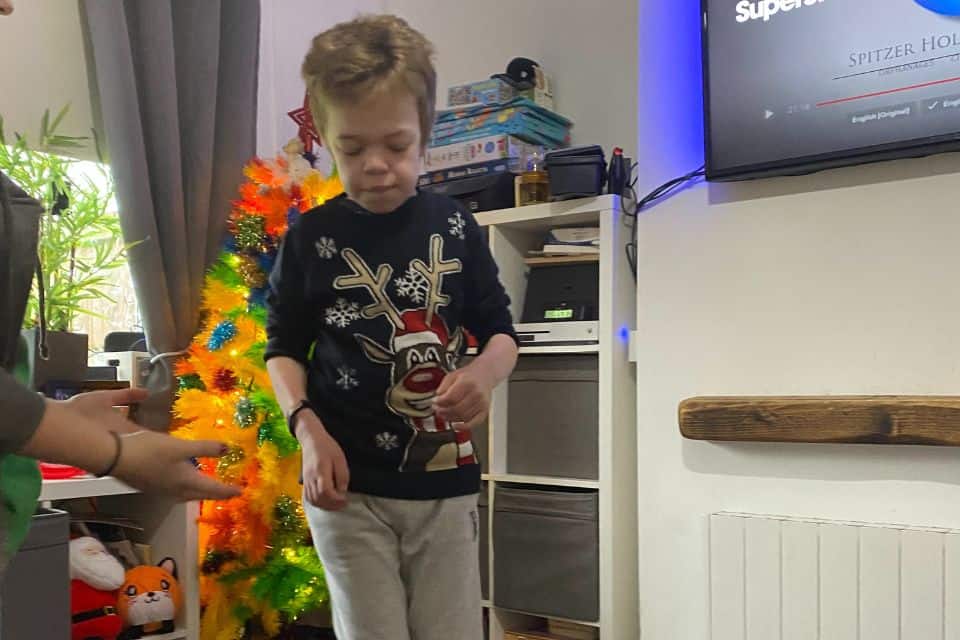
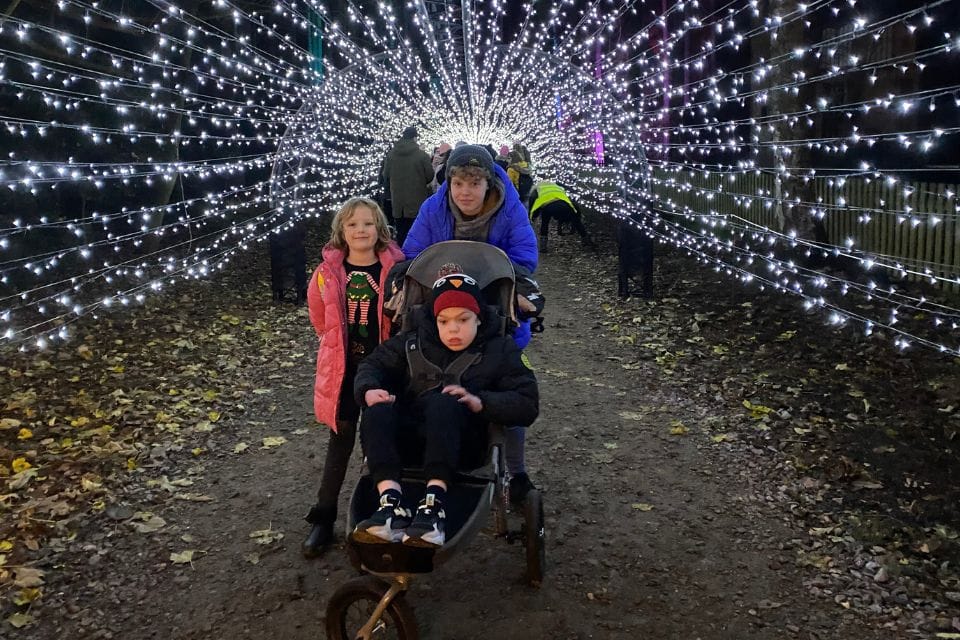
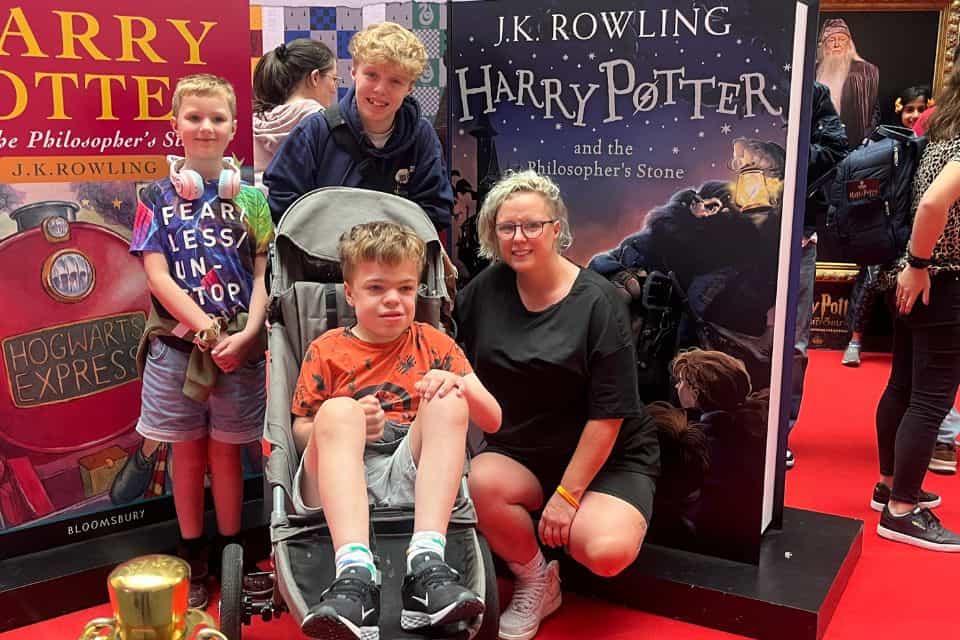
“Thomas lived a full and active, physical life,” said Kayla.
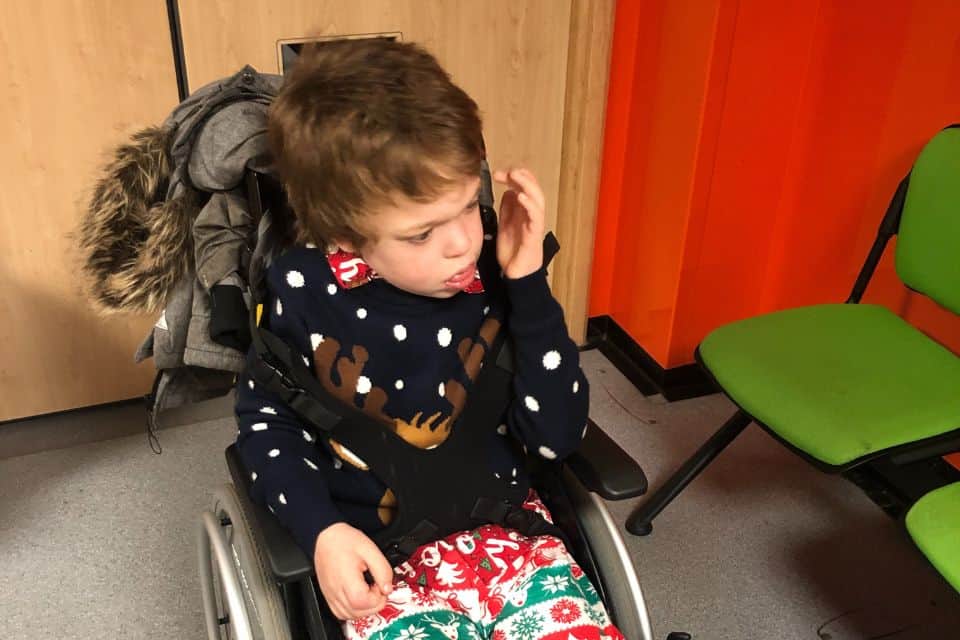
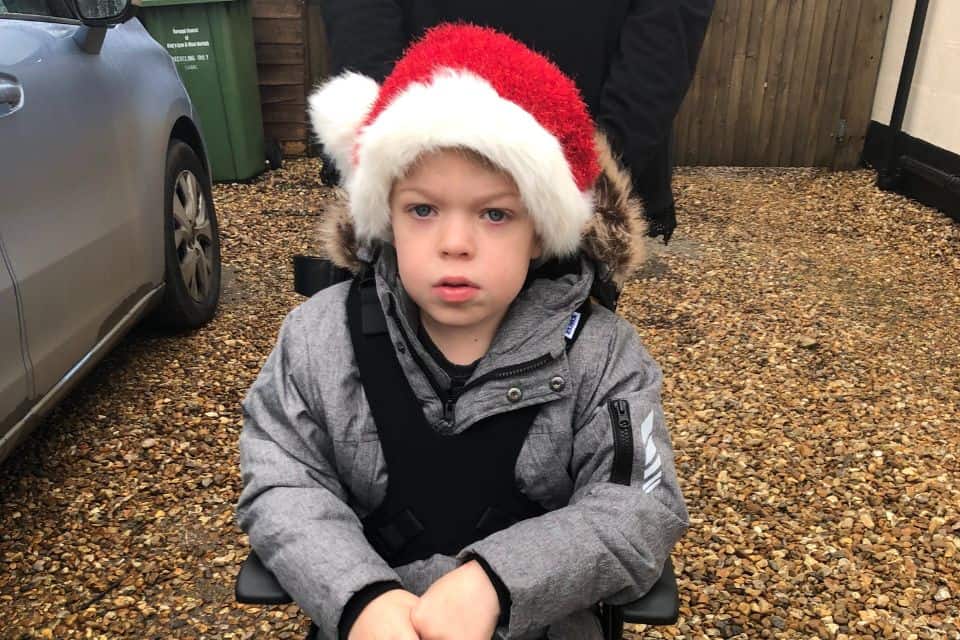
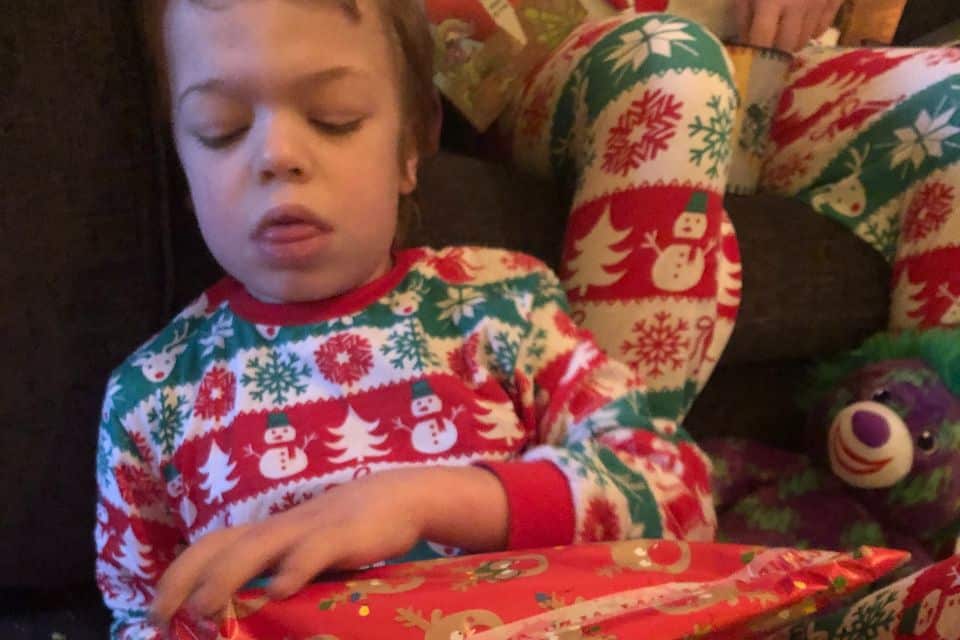
“He was such a happy boy – full of love, always smiling and always wanting a hug.
“He was always happy, and I’ll always remember his beautiful smile and infectious giggle. He had such a lovely spirit and so much personality.
“He went to school, and, although we had peaks and troughs, life was as good as could be expected.
“However, he started having seizures when he was 11, including two tonic-clonic ones (characterised by the stiffening of the body, as well as twitching and jerking) in October 2022. It was scary.
“In the December, he went into acute respiratory distress and had to be rushed by ambulance to the Norfolk and Norwich University Hospital.
“I had to wait in the relatives’ room for what felt like an hour. In reality, it was probably more like 30 seconds.
“I thought he’d died and hadn’t had a chance to say goodbye.
“The nurse came and got me and said he was in a bad way. When I saw him, I said ‘mummy’s here bubba’ and held his hand. I could feel him starting to calm.
“It was an incredibly hard thing for me to see, though. I was in a state of shock.
“Someone suggested I stepped outside and took five minutes. When I went back in, I sat behind him, by his head, and the medical people did what they needed to do.
“He was intubated, and I remember so many people being there. It felt like everyone in the hospital was in the room at that moment in time.”
Thomas was transferred by ambulance from Norwich to the intensive care unit at GOSH. Kayla stayed by his side throughout.
Then, after nearly a fortnight, she received the devastating news there was nothing more the medical team could do.
She was told to ring her family, so they could come to the hospital and say their goodbyes.
By now, Thomas’ stomach and kidneys had stopped working – he was going into organ failure.
“On 15th December, we did some memory-making exercises, like taking hand and cast prints, which are so precious to me,” said Kayla.
“Then it was finally time to turn off his life-support machine.
“I laid on the bed next to him and put my fingers on his pulse. I remember it just stopping as he faded away. He was gone.
“I stayed with him for about two hours and didn’t want to let go. The nurses let me remove his cannular and catheter, and I washed his body.
“I then scooped him up for one last cuddle, and it took all my strength, because by now he was a completely dead weight. I was determined to hold him close to me one more time.
“We put him in his favourite onesie and put big fluffy socks on his feet. He looked so snuggly and peaceful.”
After leaving GOSH, Thomas’ body was transferred to The Nook, where he stayed for another five days. It continued the family’s close relationship with EACH, as he had been receiving care at the hospice since he was six, when EACH was still based at Quidenham.
Thomas had lots of short breaks there and always enjoyed his time with the care team.
“It’s always been an amazing place for our family and somewhere we’ve been looked after so well,” said Kayla.
“They didn’t just look out for Thomas. They also supported my other two children, Tegan, 17, and Alix, 12.
“It was such a valuable experience, to have time together after he’d died.
“It enabled me to come to terms with what was happening and certainly helped in terms of the grieving process.
“Instead of coming home to an empty, quiet house, we were able to spend time with people who knew us as a family – and, crucially, people who knew and loved Thomas. It meant so much to me.
“We were looked after so well, and it was the smallest, most insignificant things that will always stay with me.
“For instance, one of the nurses knew I loved Malted Milk biscuits and went out especially to buy me a packet, for me to eat during our time at The Nook.
“It sounds silly, but such a little gesture was kind and meant so much.
“They looked after my other children – again, something that helped so much, as a parent, when your head’s spinning and you’re not thinking straight.
“We even went away with food parcels when it was time to go home.
“We were made to feel like people, rather than a number or statistic, as might be the case in a busy hospital.
“Everyone at The Nook seemed to have such affection for Thomas.
“They loved him, and I said they could all have five minutes alone with him before his body was moved to the funeral parlour. Grief is such a personal thing, and I don’t think it should be intruded by anyone else.”
Two representatives from EACH had attended Thomas’ funeral, and Kayla later returned for her invaluable art therapy sessions. She also came back recently for a special Memory Day at The Nook.
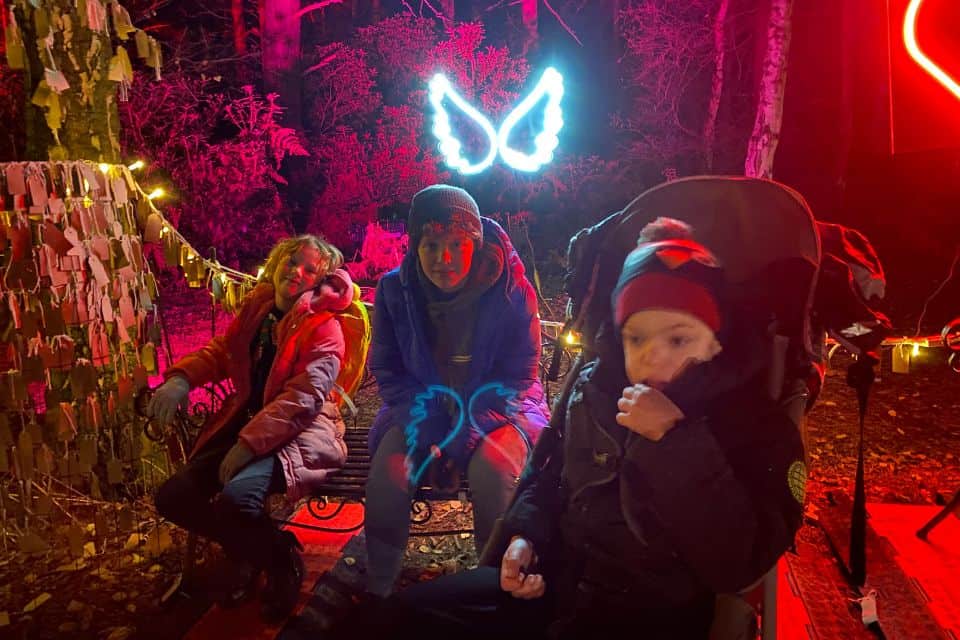
Now, looking ahead, she and her family are preparing for their fourth festive period without Thomas – a difficult time anyway, naturally, but given added poignancy by the fact he died in December.
“Christmas will never be the same again,” she said.
“Something will always be missing and, of course, we’ll always be thinking of Thomas.
“I can feel my anxiety levels creeping up as soon as I start to see Christmassy things in the shop, from October onwards.
“The first year we were still completely numb and went through the motions, for Tegan and Alix’s sakes.
“I didn’t want them to go without, but everything was so raw.
“I remember going out and buying a new tree, because I’d bought the new one just for Thomas.”
Kayla is sharing her story as a way of supporting EACH’s Christmas Appeal – a major postal and e-campaign to raise funds and awareness.
She says she is happy to help, given all the care and support she and her family have received.
“EACH will always be part of our family, and I enjoy coming back to The Nook,” she said.
“It’s somewhere I feel close to Thomas, although I feel emotional when I walk onto the care floor. The memories come flooding back.
“To me, EACH is a family – not an organisation – and coming here makes me feel part of that family.
“In some respects, it’s the worst and most horrible type – one no-one wants to be part of.
“However, in the circumstances and given what’s happened, it’s also the very best. I’ll forever be grateful, and we couldn’t wish to be around kinder or more supportive brilliant people.”