Est. read time – 3-4 minutes
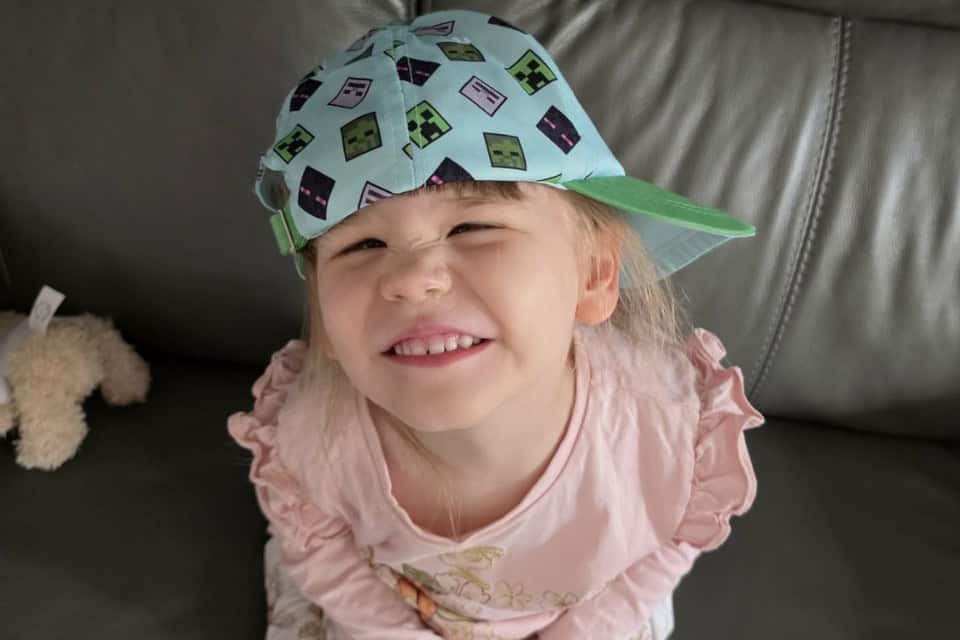
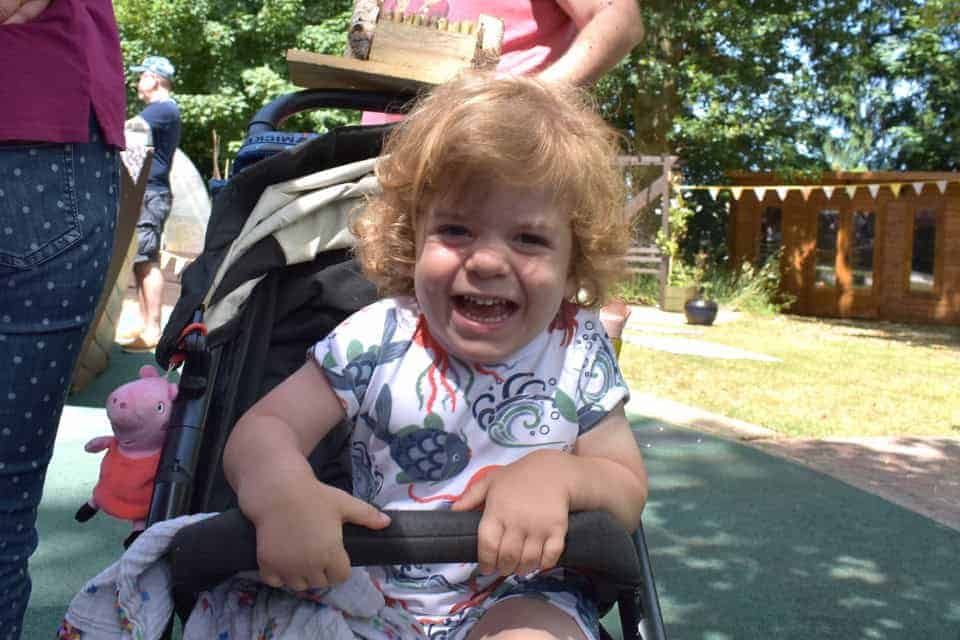
Libby Bevis is a social butterfly who thrives on attention and greets the world with a smile that rarely fades.
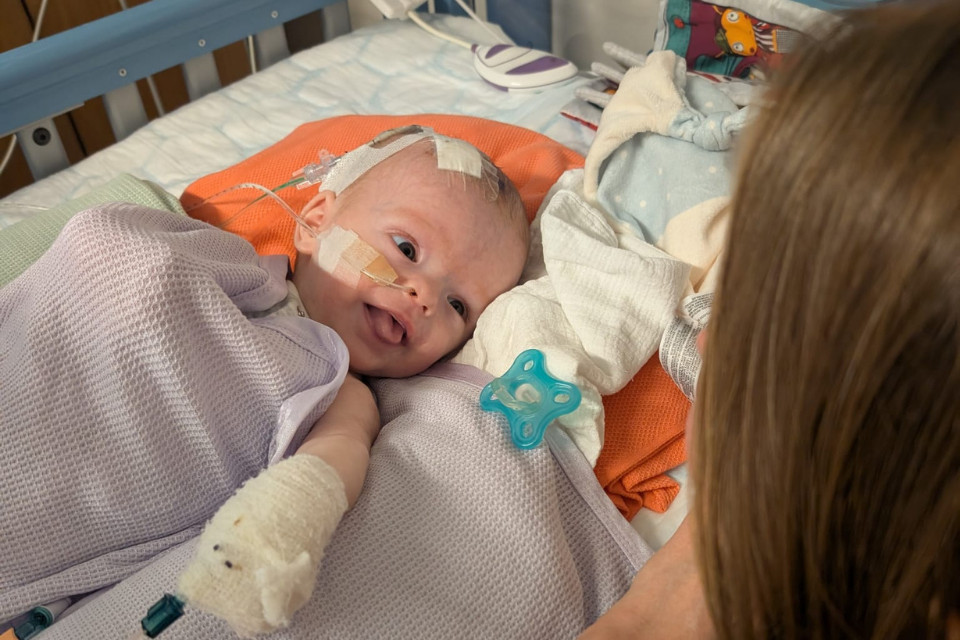
The four-year-old lives with a rare genetic disorder known as CDG – PMM2 subtype – and receives care from East Anglia’s Children’s Hospices (EACH) at The Nook.
Mum Melissa says there was “a lot of guesswork” before Libby’s diagnosis 18 months ago, after early signs of global developmental delay.
An MRI later revealed parts of Libby’s brain were underdeveloped. The condition mainly affects her neurological development, including balance and mobility.
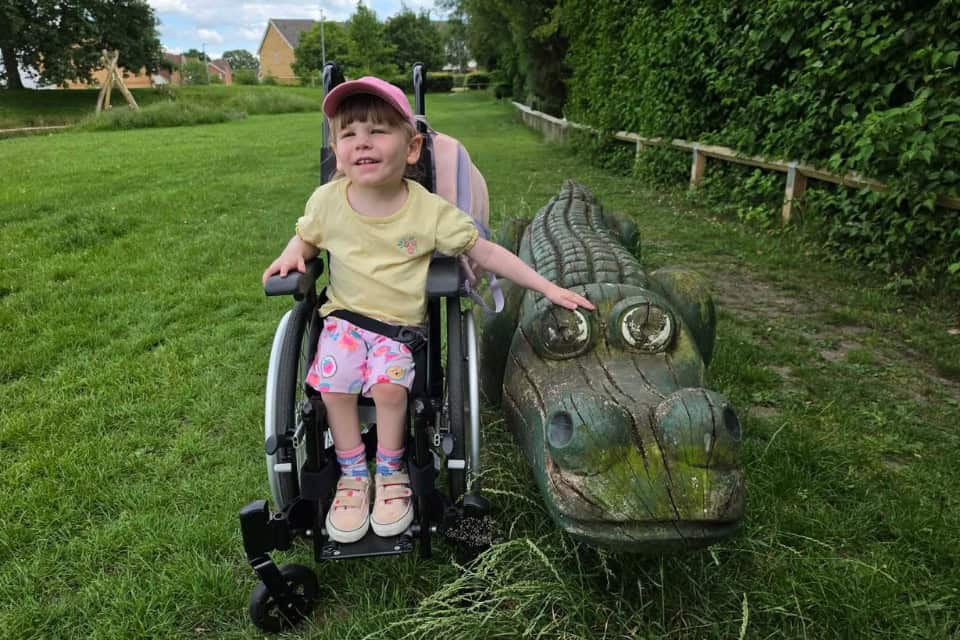
She is non-mobile, though she has recently begun to crawl and is now trying to pull herself up to stand.
“Libby’s such a social butterfly. She absolutely loves people, especially now she has her wheelchair,” said Melissa, who lives in Dereham.
“She’s constantly smiling and always so happy.
“When we’re out and about, she gets so much attention and absolutely laps it up.
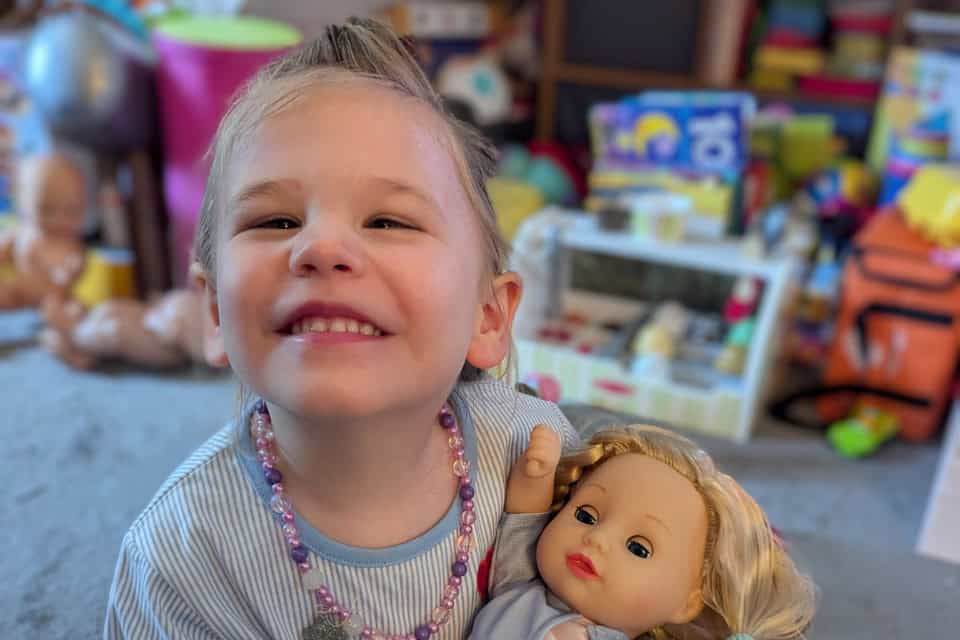
“She loves role play and her dollies are her world. She talks to them all day, puts them on the potty, puts them to sleep and feeds them ice cream.”
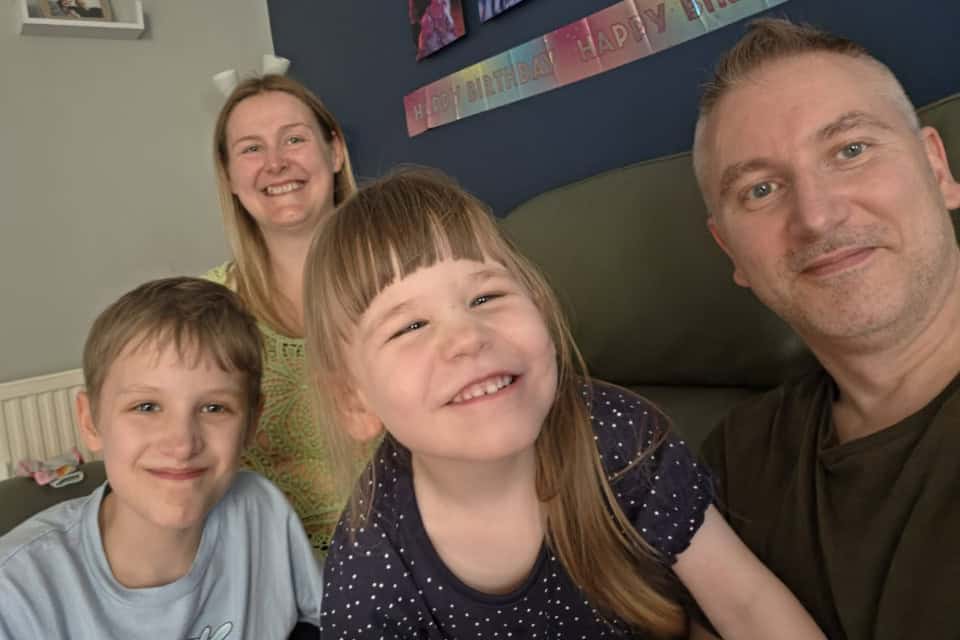
Her imagination is shared closely with older sister Layla, nine, who Melissa describes as Libby’s “biggest cheerleader”.
“Layla is the reason Libby can crawl,” she said.
“We’ve got physios and hydrotherapy, but her sister plays such a big role. She’ll crawl alongside her, race her and cheer her on.
“Don’t get me wrong, they have their moments and need their own space. But most of the time they’re fantastic together.”
For Libby and her family, The Nook has become an important and trusted part of their lives.
“It’s perfect for Libby,” she said.
“Whenever we visit, we have lunch and use the soft play room. It’s not too big, but big enough for her to get around safely.
“When you have a child with disabilities, you can’t just go anywhere.
“Soft play centres are too risky, parks are difficult and everywhere is busy at weekends.
“When you’re on your own and lifting is involved, it can be hard. Some days you just can’t find anywhere suitable, and that’s why we’re so grateful to have The Nook.”
Libby quickly formed bonds with the staff and nurses there.
“Now she’s been a few times, they know her – and she gets lots of attention, which she absolutely loves,” said Melissa.
For Layla, the hospice offers something equally important – a sense of belonging.
“The girls have also done hydrotherapy sessions together, if we can get one during half-term or school holidays,” said Melissa.
“Layla also loves sibling groups.
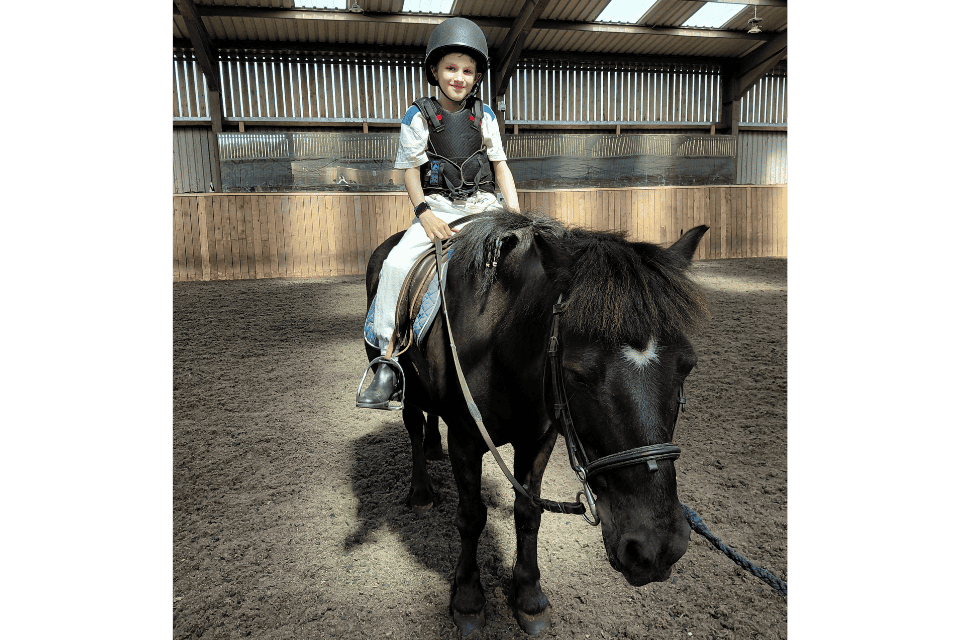
“She recently went to the Sainsbury Centre and also went on a trip to the Newmarket Pony Academy.
“It’s likely that she’s neurodiverse and she finds the hospice a safe space, because it’s a place where she feels comfortable.
“She’s gone from being an only child to having a sister she loves deeply, but who can’t always play like other children. Meeting others in similar situations really helps.
“It normalises things. It removes stigma. And it helps us as parents too, knowing we’re not alone.
“It helps just having somewhere where both girls can be themselves.”
Alongside the care and support they receive at The Nook, Libby’s family also benefit from Help at Home support from EACH.
A volunteer visits weekly, helping with practical household tasks such as cleaning, tidying, ironing and gardening.
“To me, the bathroom is the most important room, but always the last thing that gets done,” said Melissa.
“So I’m very grateful when that gets a once-over.
“I work from home in a cabin in the garden, and when I come back in, the house looks clearer and brighter. It might not stay that way for long, but I know I don’t have to worry about it.
“If I haven’t managed anything all week, at least I know the kids’ rooms have been hoovered and the bathroom is clean. That makes me very happy.”
The support also gives her something else she rarely experiences – time and conversation.
“It can get quite lonely,” said Melissa.
“You might not speak to anyone who really understands for a couple of days, so having someone come in each week and just chat makes a big difference.
“It helps my mental health. I’m not stressed in the same way, and that has a knock-on effect on everything.
“It might seem like a small thing, but it makes such a big difference to us,” she said. “It helps me keep working, it helps me keep going and it gives me breathing space I wouldn’t otherwise have.”
She also praises the volunteers themselves.
“They’re lovely, non-judgmental people. That can be hard to find when you’re a parent of a child with complex needs.
“I’d like to say a huge thank you. We’re so grateful. I hope more families get to benefit from it, because it really does make a difference.”