Est. read time – 6-7 minutes
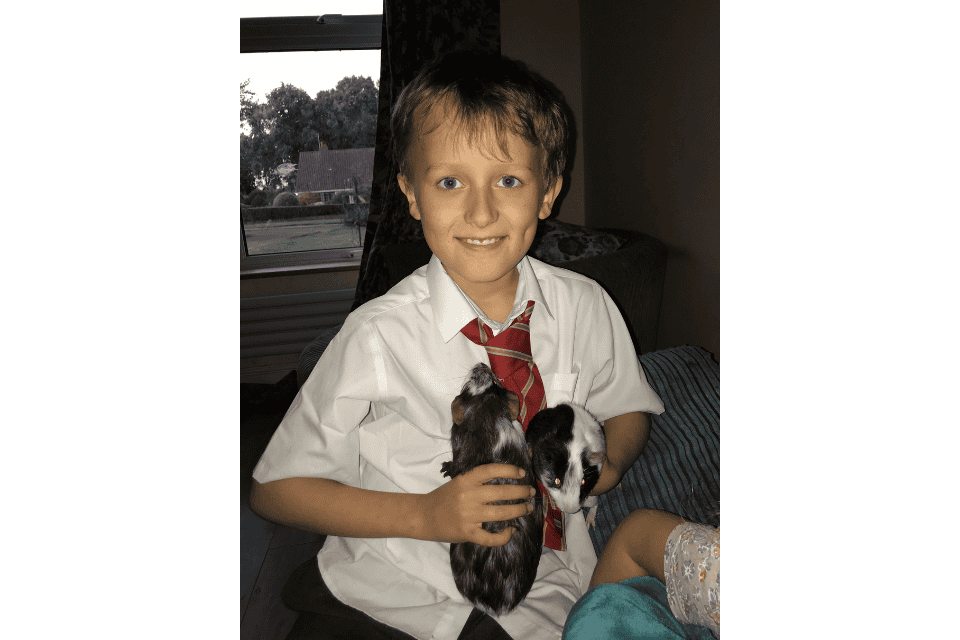
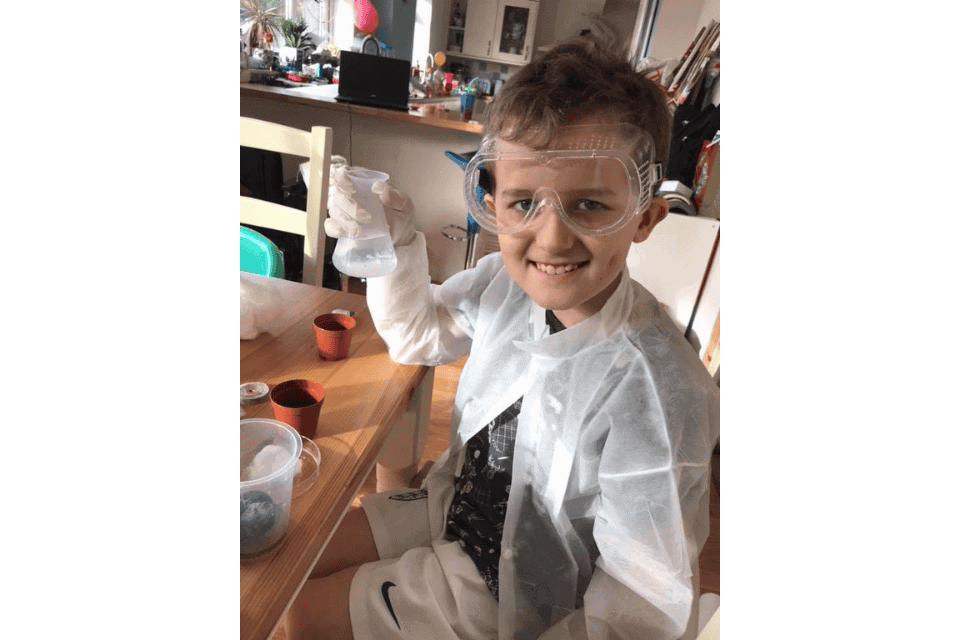
Harry Addy had a thirst for knowledge, a love of animals and a seemingly ever-present smile on his face.
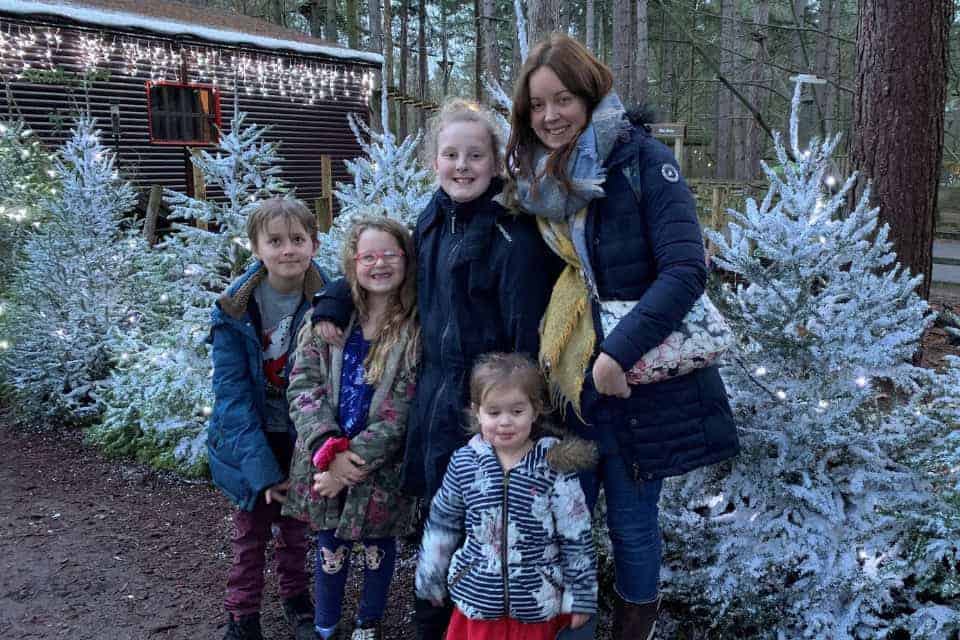
The 11-year-old lived with his mum, Melanie, and sisters, Daisy, 18, Tilly, 13, and Hattie, nine, in Stalham, near Norwich.
He had a cheeky sense of humour, a genuine kindness and a zest for life that made him popular with everyone he met.
Sadly, however, it was a life that was to be cruelly short-lived.
After a tumour was discovered within his spinal cord, Harry went on to face seven years of illness and he and his family were supported by East Anglia’s Children’s Hospices (EACH). He then received end-of-life care and died at home in September 2022.
Melanie is sharing his story because she wants to keep her son’s memory alive, as well as raising vital awareness of EACH’s work.
“Harry was my life, and I’d happily sit and talk about him every day,” she said.
“He meant everything to me, and he was by my side 24-7.
“We tried to make the most of our time together, and I feel fortunate to have so many amazing memories.
“I’m so proud because he was an amazing boy who left such a legacy. Some people live to be 80 and don’t get the love Harry received.
“Six months after he died, I found a love heart with the message ‘whatever you decide to do, make sure it makes you happy’ written on it. I’ve now got it tattooed on my arm, in Harry’s writing.
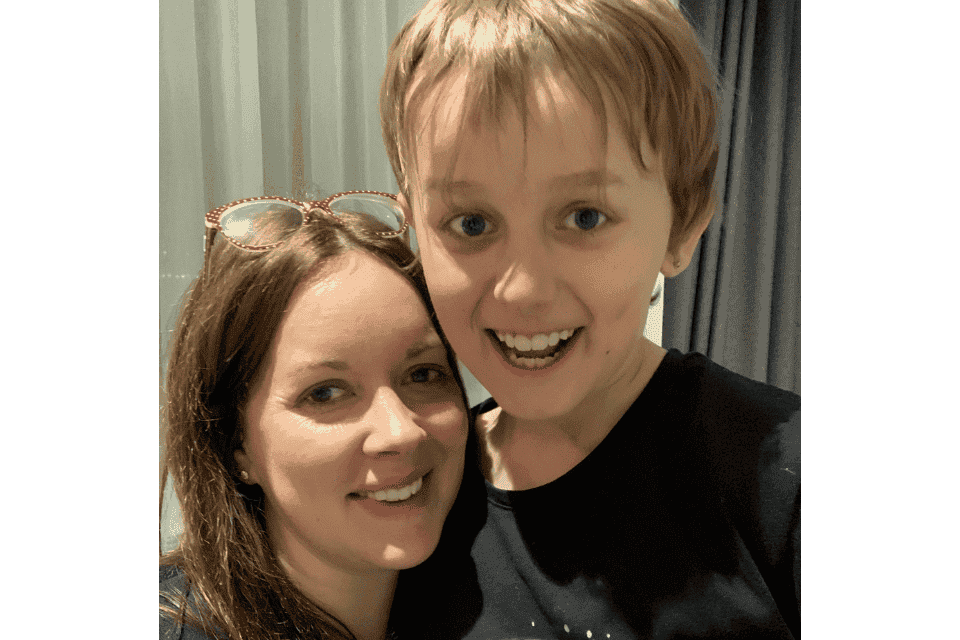
“It makes me happy every time I look at it, and I love reflecting on our photos. I’ll happily show anyone and want him to be remembered forever.”
After a normal, healthy start to life, Harry began developing back pain when he was four.
Doctors identified a curve in his spine, and, after being referred to hospital, it was diagnosed as scoliosis.
However, Melanie remained unconvinced because of the intense pain her son was in. She requested a scan and that duly revealed an eight-centimetre tumour inside his spinal cord.
It was a devastating blow and came just a month after Melanie had discovered she was pregnant with Hattie.
Harry had an eight-hour operation at Addenbrooke’s Hospital, in Cambridge. Then, four days later, his family were told he would need further surgery to remove more of the tumour.
“After the second operation, I remember the surgeon almost skipping into the room, saying the tumour was benign,” said Melanie.
“We felt like celebrating because we thought everything was going to be OK.
“I messaged my friends to say ‘it’s all done – it’s all over’, although we were told he’d need to have a follow-up scan every six months.
“The first was OK, but everything changed after the second in January 2017. They could see the tumour had started growing again.
“Harry began having weekly chemotherapy, which lasted two and a half years, and it was during the early stages of that they told us he had Leptomeningeal Disease.
“It was in his brain, and that was the cancer that actually killed him. Sadly, Harry’s half-brother passed away from a brain tumour, and we’ve been told it’s very likely to be hereditary. No link can be found at the moment, but we’ve been advised to get in touch again in five years to see if there’s been any advancements in science to be able to establish the link. Harry’s sisters needed MRIs last year, due to minor symptoms, but luckily they’re fine at the moment.”
Harry’s tumour continued to grow, so the next option was proton therapy at Manchester’s Christie NHS Foundation Trust.
Melanie and Harry spent six weeks there, before being allowed home.
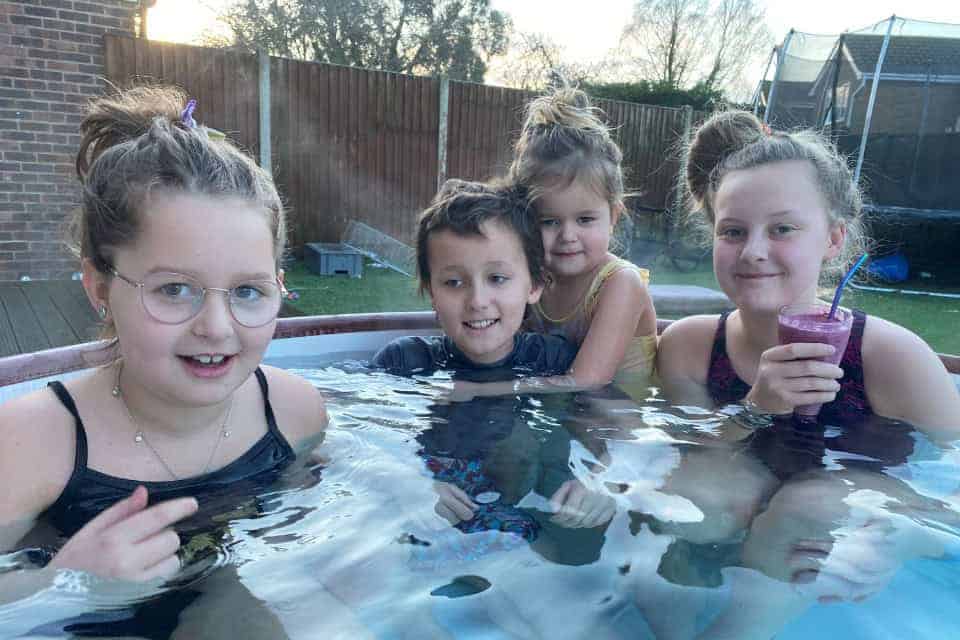
By now, lockdown was underway, and the restrictions helped them spend quality time together, watching films and cooling down in their paddling pool.
However, Harry’s tumour was still growing. More scans followed, in addition to bouts of intense sickness.
Things advanced in 2022 when he started having ‘horrendous’ seizures, ending up in intensive care at Addenbrooke’s.
Despite being told her son would get better, Melanie feared what was coming and sadly she was proved right. Harry eventually died at home in September 2022.
Ironically, it happened on the day he was due to begin high school.
“That week was a bit of a blur, but the team from EACH were there just before he died, putting a syringe driver in,” she said.
“They must have known what was about to happen because they hung around and hadn’t gone far before turning round and coming back a few minutes later.
“They helped us take casts of his hands and feet, which will always be incredibly special to me.
“I always say that if he had to go, it was the perfect way. He laid on his bed and I held his hand, looking at him.
“My mum and best friend were in the room, and it was so peaceful. It was lovely, if such a thing can be described that way.
“He could have died having a seizure or being in intense pain, which would have been horrendous.
“He deteriorated in the last few days, spending more time asleep than awake. However, the last thing he said to me was ‘I love you’ before closing his eyes for the final time.”
Daisy, then 14, was at home while Tilly, then nine, and Hattie, then six, returned from school shortly after. They were also joined by Harry’s best friend, Ben.
“Harry was an amazing, clever, funny and happy boy with a wicked sense of humour,” said Melanie.
“He also had a real kindness and despite everything he was going through, his priority was always to make sure everyone else was OK.
“He loved cooking and swimming, arts and crafts and spending time with his friends.
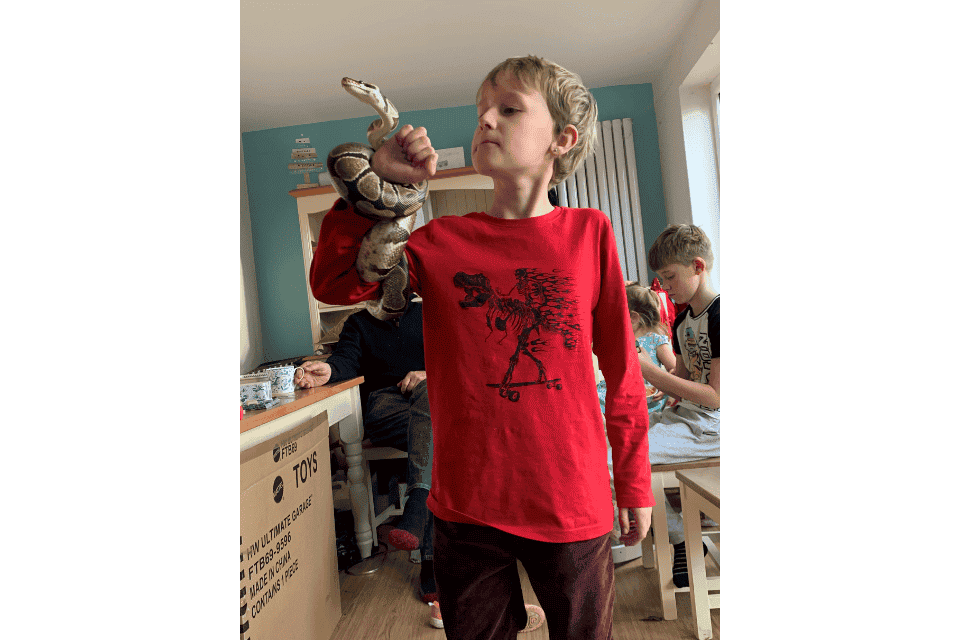
“He also adored animals and had a guinea pig called Oreo that died just days after Harry. I’ve never cried so much over a guinea pig in my life.
“We used to read encyclopaedias before going to bed because he loved learning new things and he’d recite facts several weeks later. He had such a memory.”
EACH had become a key part of Harry’s life, long before his end-of-life care.
After being referred by his hospital, he enjoyed numerous home visits and spent time at The Nook.
As well as having art and play therapy, he met Norwich City footballers, enjoyed Christmas parties and helped cut the ribbon when a new courtyard opened at the hospice, featuring colourful donations from Great Yarmouth’s Sealife Centre.
He developed close relationships with members of the care team and through EACH’s connections with other charities, he and his family enjoyed a trip to Disneyland Paris, visits to Colchester Zoo, a break at Center Parcs and the chance to drive a Ferrari at Silverstone.
The charity still provides valuable support.
Daisy enjoyed sibling days, Hattie is about to start music therapy and both Melanie – who has one-to-one counselling sessions – and Hattie attend monthly bereavement groups at The Nook.
“It’s nice to know you’re not the only one struggling, especially when you meet and get talking to people who have been coming a lot longer than I have,” said Melanie.
“People expect you to get over a death. They think ‘it’s been three and a half years now – why haven’t you moved on?’
“It doesn’t work like that, though, and speaking to people at the group reassures me and makes me feel less alone. Hattie gets a lot from it, too.
“When Harry was alive, we had so much support. There was the hospital and various charities, but since he died everything’s changed.
“EACH is the last one left and still there for us to this day.”
Melanie loves looking through her many beautiful photo albums, all jampacked with pictures of a beaming Harry.
“When we got the diagnosis, I never focused on losing him – I focused on enjoying him,” she said.
“Part of me wishes I’d known he was dying, because I’d have done things differently in the last six months.
“We’d have tried to do even more together, rather than him spending so much time resting because we thought he was getting better.
“Then again, it saved me having to have that conversation with Harry. We were always honest with each other, and I know he’d have asked me.
“Everyone loved him, and he was so popular. He was such a big character, and his death affected a lot of people.
“I’m so sad that I’ve lost him but feel happy and immensely lucky that I had him.”