Est. read time – 3-4 minutes.
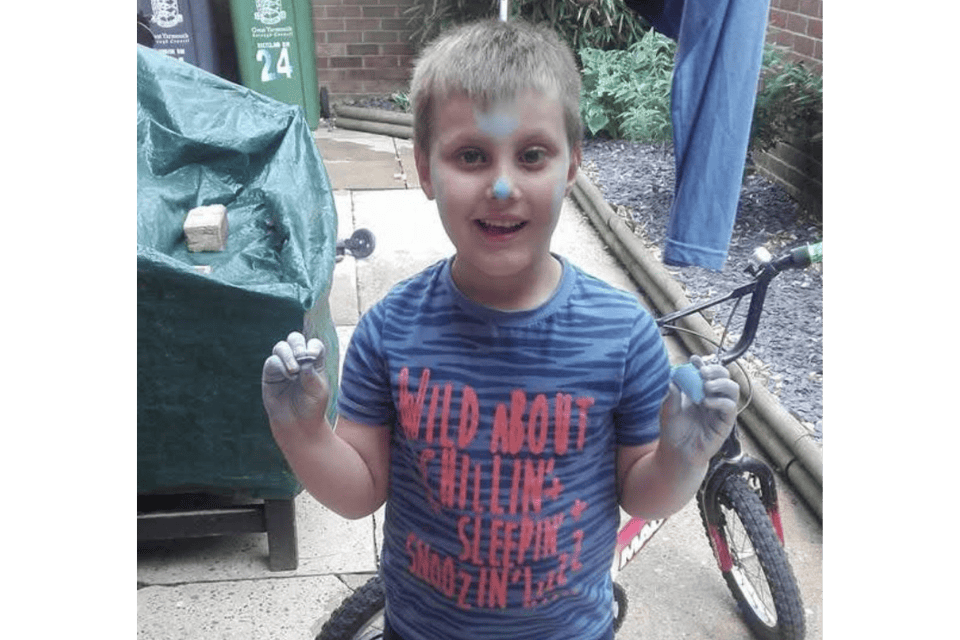
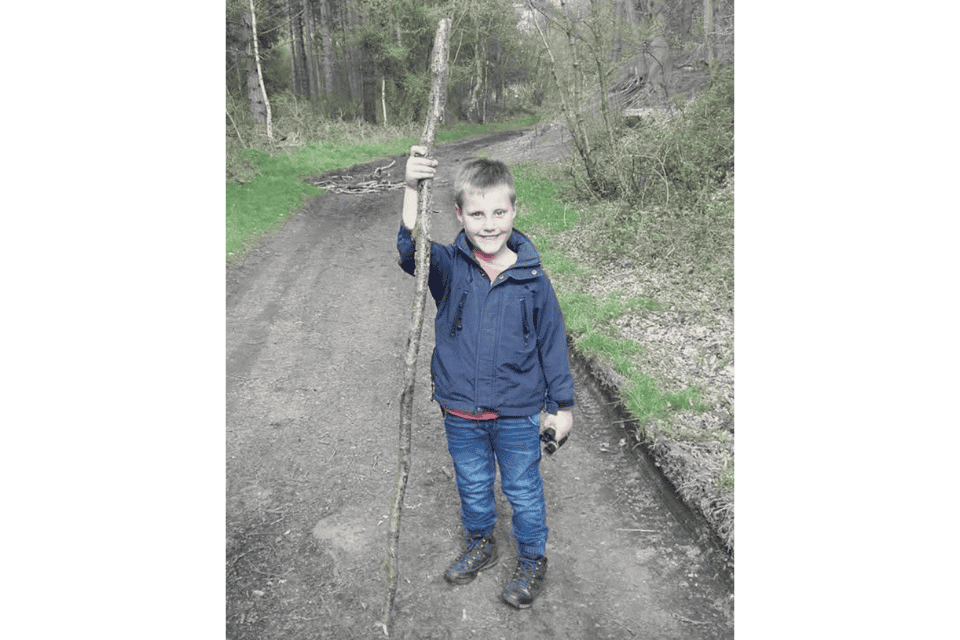
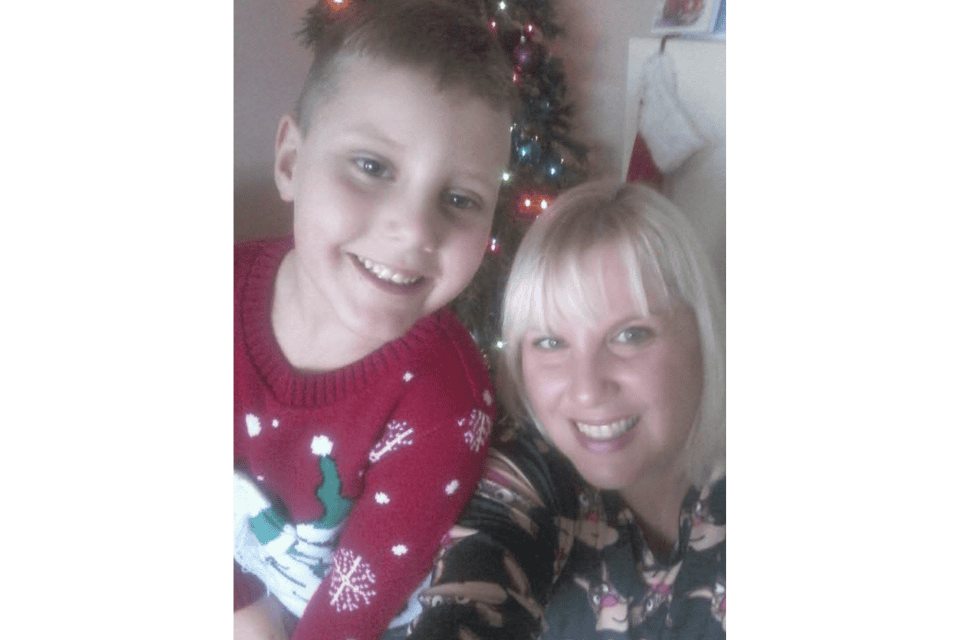
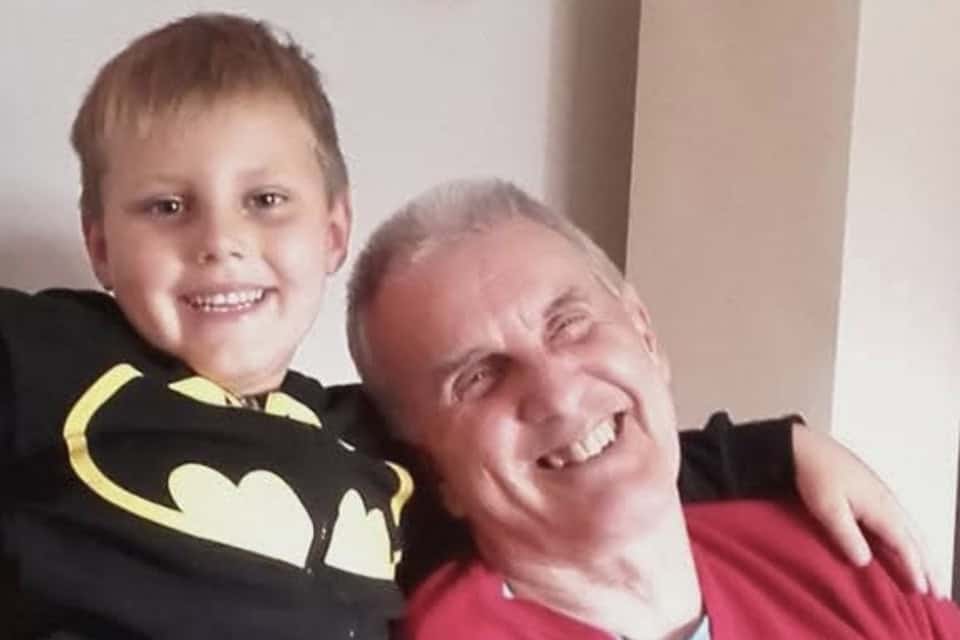
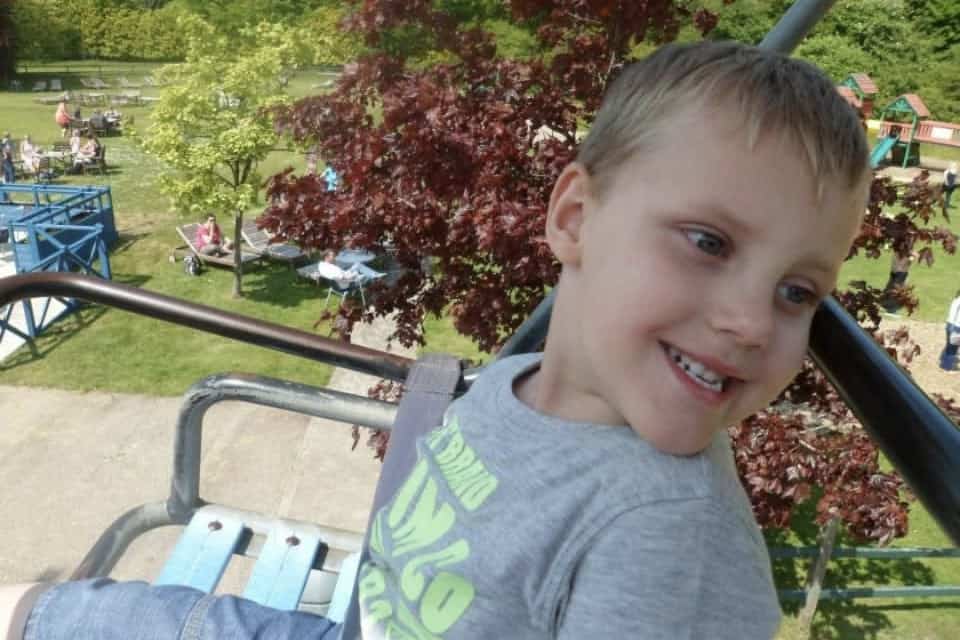
A mum whose six-year-old son died after being diagnosed with a brain tumour says she will never forget and always be thankful for the “invaluable” support her family received from East Anglia’s Children’s Hospices (EACH).
Little Alfie received care from the charity and enjoyed regular home visits from its Play Specialist, then based at Quidenham – EACH’s former Norfolk base, before The Nook opened in November 2019.
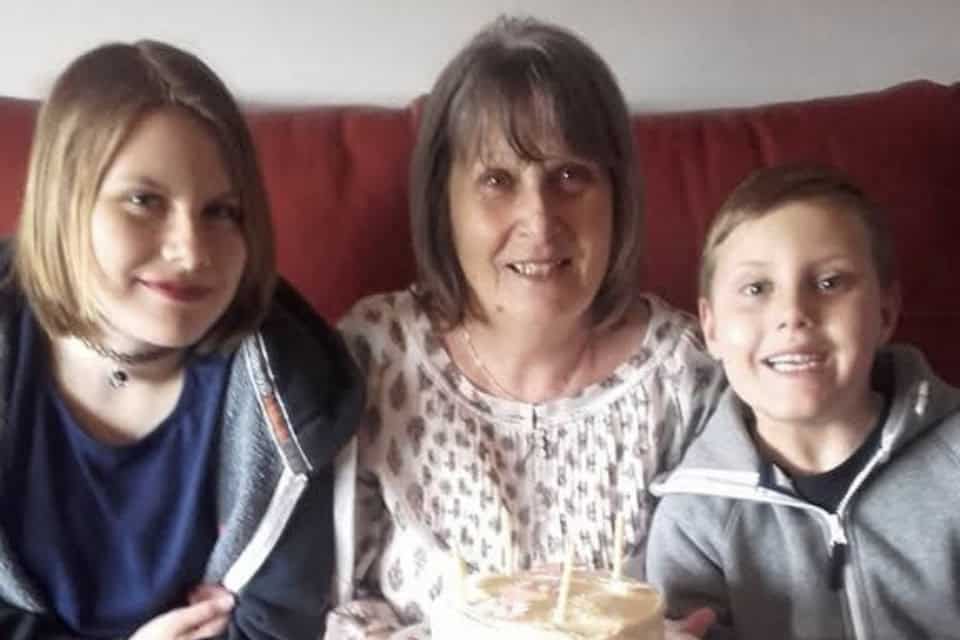
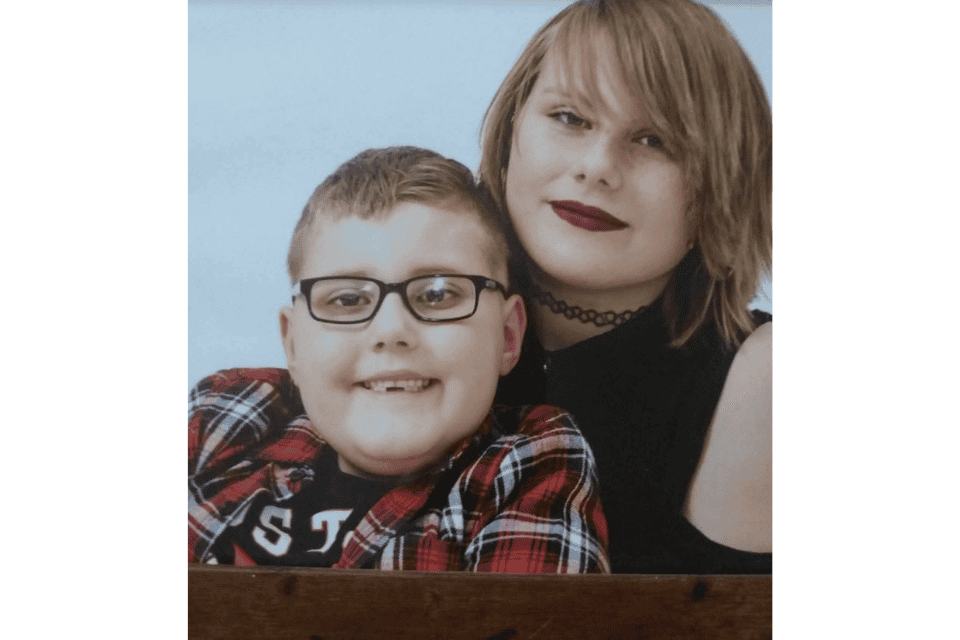
Mum Emma had counselling, while sister Lucy, then 13, benefitted from art and music therapy. Alfie then received end-of-life care and sadly died in June 2017.
Emma says it made an “amazing” difference and she will always be grateful.
“EACH is a charity very close to our hearts,” she said.
“They stepped in when we needed them most, and the support is something I’ll never forget.
“When Alfie died, they were exceptional, and it made such a difference.
“The team were on hand to look after us and help sort things out, including assisting with the funeral arrangements. They showed such care and compassion.
“A couple of years ago I had a relapse and was really struggling with my grief.
“I spoke to my doctor, and he suggested I reach out to EACH again.
“I’m so pleased I did, because the support I received from my counsellor gave me such a lift and was exactly what I needed.
“I can safely say we wouldn’t be where we are today without EACH.”
Alfie was diagnosed with a brain tumour at the age of five, in 2016.
After a normal, healthy childhood, he started becoming more accident-prone.
He would easily trip and bump into things, and on one occasion he fell and banged his head on a parked car.
After complaining of dizziness the next morning, Alfie was taken to hospital and scans triggered the start of a devastating journey.
He was taken by ambulance to Addenbrooke’s Hospital, in Cambridge, where further tests, including an MRI scan, confirmed it was a highly aggressive, grade four Diffuse Intrinsic Pontine Glioma (DIPG) tumour.
“We were told there was a 100% mortality rate,” said Emma.
“There was nothing they could do, and he was given six months to live.
“The only option available was to begin palliative care, and it was truly devastating.
“After leaving hospital, we felt we’d been cast adrift on a life raft.
“Having been surrounded by people, we found ourselves back home, scared, alone with our thoughts and not sure what to do.
“I must be honest and say I had reservations when the word ‘hospice’ was first mentioned.
“I had a depressing image of a bleak, dreary place, but my perceptions completely changed after being invited to visit Quidenham.
“Within seconds, I knew I’d got it wrong because I could see how amazing it was.
“My abiding memory is of a little boy being pushed around in his wheelchair and the nurse or carer making motorbike noises, which made him laugh.
“It made me realise a hospice wasn’t a depressing place. It was a safe environment where children could be children.
“Although we were hugely impressed, we lived a fair distance away and wanted to bring Alfie home.
“The EACH team were brilliant and didn’t put us under any pressure to do anything we didn’t want to do. They listened, understood and respected our choices.”
Emma, from Gorleston, says she appreciated the support her whole family received – not just Alfie.
“Alfie loved his play therapy and always looked forward to his sessions,” she said.
“They were good for him and good for me, too.
“It was invaluable and gave me an hour to myself, to be alone with my thoughts or spend time with my daughter.
“If I wanted to shut myself away and cry, I could do so without having to put a brave face on for Alfie’s sake.
“The counselling after his death – nine months on from the original diagnosis – made such a difference, too.
“That period is horrific and unimaginable – every parent’s worst nightmare.
“I don’t think it ever gets easier; it’s just you learn to cope.
“You find ways to get on with life, but there are dark days when it’s impossible to do that.
“It’s on those occasions the support is particularly invaluable because it helps to talk to someone outside your family.
“You don’t want to upset and burden people who are close, because they’re dealing with their own emotion.
“My mum said I should have spoken to her more, but she had her own grief to contend with.”
EACH’s support also had a profound effect on Lucy.
“Being 13 is a difficult age anyway, without having to cope with such an overwhelming and upsetting situation,” said Emma.
“The support she received made an incredible difference and clearly made a lasting impact, because she’s now studying to become a palliative care nurse and due to graduate in July.
“She wants to help people in the same way we were helped nearly ten years ago.
“That, more than anything, is testament to the immeasurable difference and impact EACH had.”