The dad of a three-year-old boy who died after living with a rare genetic condition has spoken of the “time, space and dignity” his family received from East Anglia’s Children’s Hospices (EACH).
Wilfred Bedwell, who had Mucopolysaccharidosis Type II (MPS II), also known as Hunter syndrome, died at The Treehouse in April 2025.
He was diagnosed after doctors noticed developmental delays during a routine health check. The condition is caused by a missing enzyme.
It meant his body was unable to break down certain molecules and can affect people in different ways. There is no cure, and his parents were told his life expectancy would be short.
Wilfred’s family were first introduced to EACH shortly after his diagnosis, but it was only when his condition deteriorated following a choking incident that they fully appreciated the role hospice care could play.
“Without EACH, losing Wilfred would have been much harder,” said David.
“Otherwise, it would have happened in the clinical environment of a hospital, which we wouldn’t have wanted.
“I’ve already had experience of that when my dad died, and it was horrible.
“This was very different, because we were shown such dignity. There was a feeling of peace, and it’s such a respectful, understanding environment.
“You’re with people who are doing their jobs in such a caring and empathetic way, and we were made to feel like the only people in the world that mattered.
“No-one could have done anything more for us. They allowed us to focus entirely on our son, and for him to pass peacefully.
“Losing a child is the worst thing that can possibly happen to someone. However, the team at the hospice managed to make it that little bit better and more bearable, which I’ll always be thankful for.”
After starting enzyme replacement therapy at home, Wilfred was able to take part in a blind clinical trial at Great Ormond Street Hospital (GOSH) for a potentially more effective medication.
It meant he and his family made weekly trips to London for enzyme replacement therapy, but with the added possibility that the trial could help him and others in the future.
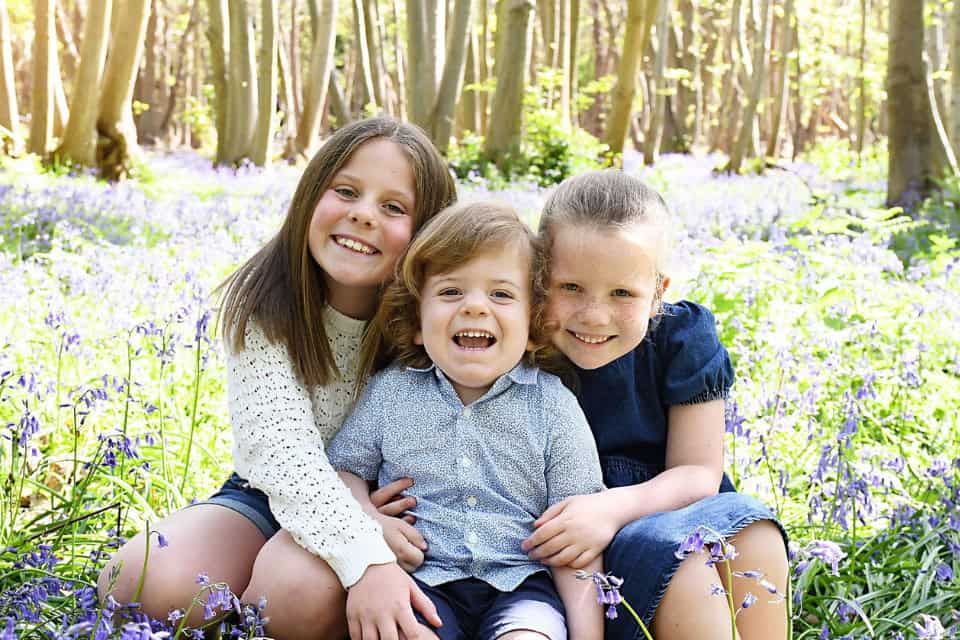
“We knew from the beginning we’d do whatever was needed,” said David, who is also dad to Tabitha, 11, and Ivy, eight.
“If that had meant going to America for the trial, we’d have gone to America. That was a possibility we’d investigated, but unfortunately the places were full up.
“Naturally, we wanted to extend his life expectancy, but we weren’t under any illusions.
“Then the option of a trial came up at GOSH, which we were keen to explore and signed up for. The hospital days were tough and long, but generally went well if everything was on time. There was a children’s play area, and a play specialist regularly came to see him.”
Far from the “bleak hospital room full of beeping machines” he had feared, David says the hospice became a place of comfort, peace and treasured family memories.
“When EACH was first mentioned, there was the natural feeling of why would I want to go to a hospice?” he said.
“The Treehouse was somewhere I’d often driven past, although I didn’t really have a clue about all the different things that went on there.
“As it turned out, I couldn’t have asked for more from EACH and the team. It was as homely as it could possibly be, in the circumstances.
“We wanted to get to know people here, and why we came along to events like Treefest and Winter Wonderland.
“I’m so glad we’d had those early introductions because it didn’t feel like we were being transferred to another bleak hospital room.
“Instead, we felt comfortable because we’d met people and knew the environment, which really helped.
“We had our own room and were able to focus entirely on what we needed to do.
“We didn’t even have to worry about things like meals or washing clothes, because everything like that was taken care of.
“We were given the time and space to sit by his bedside and do what we wanted to do, when we wanted to do it.”
Wilfred deteriorated quickly in the days after the choking incident, and his parents were told to call family in to say their goodbyes. He lived for another three days after that.
“On the last morning, I woke up early and went through to see Wilfred,” said David.
“I then went to the toilet and when I got back, he was gone.
“It was incredibly upsetting, but there was also a strange sense of calm and serenity.
“When you’ve been sitting there for days waiting for the inevitable, it’s like you’ve already come to peace with what’s about to happen.
“You almost feel a sense of relief that your child isn’t in pain or suffering anymore.
“The staff that work here are the nicest, most special and dignified people I’ve ever met.
“I think it takes a certain type of person to work in a place like this, and I know it’s not something I could do.”
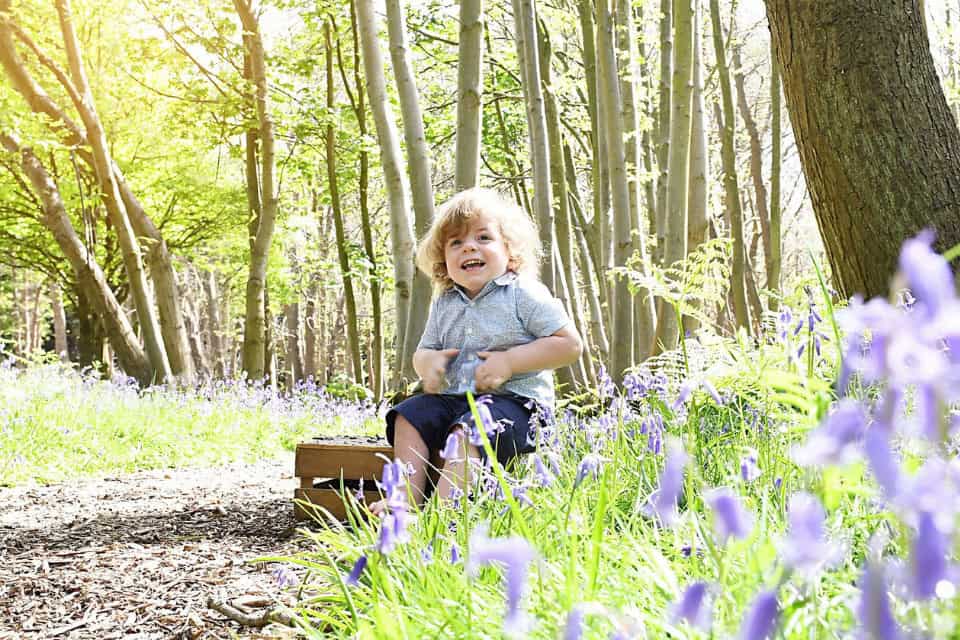
Despite his sadness, David fondly remembers “the cheekiest little boy you could ever wish to meet”.
“Once Wilfred learnt to walk, there was no stopping him and he was chaotic in the best possible way,” he said.
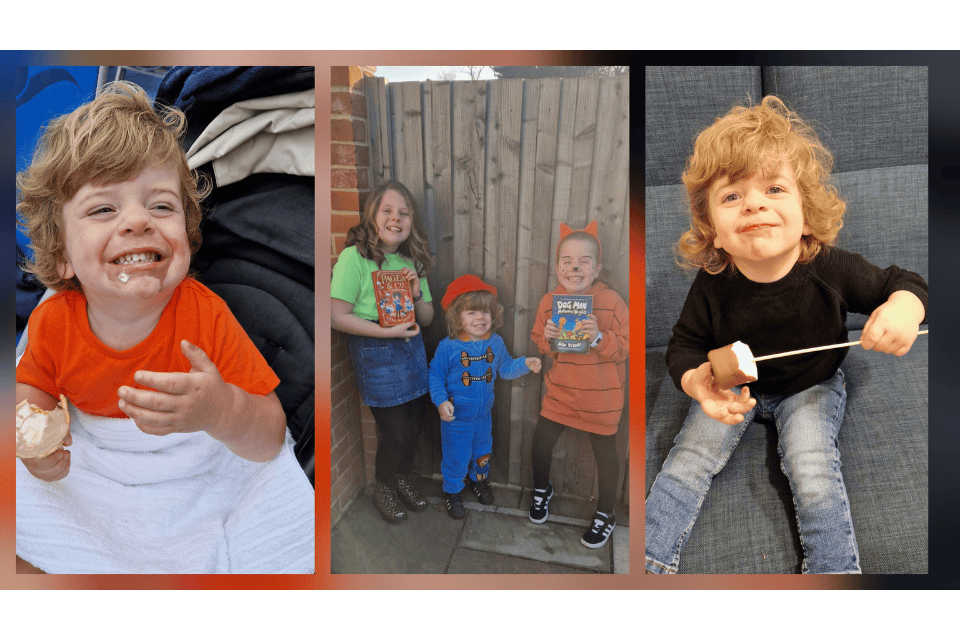
“He was full of fun, loved his food and enjoyed running around with his sisters.
“I always found him an inspiration, because of the way he enjoyed his life.
“I’m not sure how much he knew or understood about his condition, but he certainly didn’t let it hold him back.
“He was always happy, and his nursery school always said he was getting on well.
“Everyone loved him, and he was a complete ball of energy until he became so tired he’d zonk out on his bed.
“He had a real spirit and resilience and was a chaos monkey.”
David continues to visit the hospice and receives ongoing bereavement counselling, which he believes has been crucial in helping him navigate life after loss.
“Coming here makes me feel happy rather than sad – it’s comforting rather than upsetting,” said David.
“There are so many happy memories here and nothing about this place feels negative, even though it’s where Wilfred passed.
“There was always such a positive family vibe, and you start to look at the staff members as friends, because it’s impossible not to feel bonded to people who are there at the worst time in your life.
“It’s nice to come back and catch up with them, and the support I’ve received through counselling has made such an incredible difference.
“In the past, the thought of something like that was perhaps a bit taboo. It certainly wasn’t mentioned to me when my dad died.
“I didn’t have a support system around me back then, but if I’d known it was an option I would have taken it.
“Now, thanks to the hospice, I realise how important aftercare is, because your journey doesn’t just end the moment you’ve lost your child.
“It’s hard enough as it is, but I know it would be ten times harder if we didn’t have people to reach out to.
“The counselling I receive is invaluable, and you could make an argument that the aftercare is more important than anything before it. That’s when you’re at a loss and don’t know which way to turn, with so many questions in your head.
“Without support, you’re left feeling isolated in a world that hasn’t changed apart from you and your circumstances. Everything else carries on as normal, and it’s a weird dynamic to get your head around.
“That’s not to say I don’t have days where I feel completely rubbish, but I’m comfortable with that and realise I don’t have to pretend everything’s OK. Why should I?”
David hopes sharing his family’s experience will help challenge misconceptions about children’s hospices.
“If Wilfred’s life and story can have a positive impact on just one other child or family, then that makes me happy,” he said.
“Although people might think the word hospice is a scary one, it’s such a genuinely uplifting environment, and I hope sharing our story helps get that message across.
“People aren’t made to feel like a number or a statistic. Instead, they’re made to feel heard, understood and part of something special, which is incredibly important.
“The other thing is that the organisation is always striving to improve.
“Whether it’s a case of physically expanding or getting feedback so that things are done better, it’s very clearly a place that never rests on its laurels.
“It’s not run like a business that’s obsessed with statistics and hitting targets. Instead, people are always at the core of everything it does, which allows it to provide such a high standard of care.
“That’s why I like doing things like this – because it’s a way of telling Wilfred’s story, but also a way of telling EACH’s. This is a place and an organisation that deserves to be seen, heard and understood, because the people who work for it are real-life superheroes.”